
The Benefits of Native Plants in Your Garden Design

In recent years, the gardening community has increasingly recognized the importance of native plants in garden design. As we look ahead to the upcoming year, the trend of incorporating native flora into landscapes is expected to gain even more traction. This shift is not just about aesthetics; it reflects a deeper understanding of ecological balance and sustainability. In this article, we will explore the myriad benefits of native plants, addressing user needs and motivations while highlighting practical outcomes that can enhance your garden experience.
Native plants are species that have evolved in a specific region and are well-adapted to the local climate, soil, and wildlife. One of the primary advantages of using native plants in your garden design is their ability to thrive with minimal maintenance. Unlike non-native species, which often require additional resources such as fertilizers, pesticides, and extensive watering, native plants are naturally resilient. This means that homeowners can enjoy a beautiful garden without the burden of constant upkeep, making it an ideal solution for busy individuals or families.
Moreover, native plants play a crucial role in supporting local ecosystems. They provide essential habitats and food sources for native wildlife, including birds, butterflies, and beneficial insects. By choosing native plants, you contribute to the preservation of biodiversity in your area, creating a thriving environment for both flora and fauna. This ecological benefit resonates with many homeowners who are increasingly motivated by environmental stewardship and sustainability.
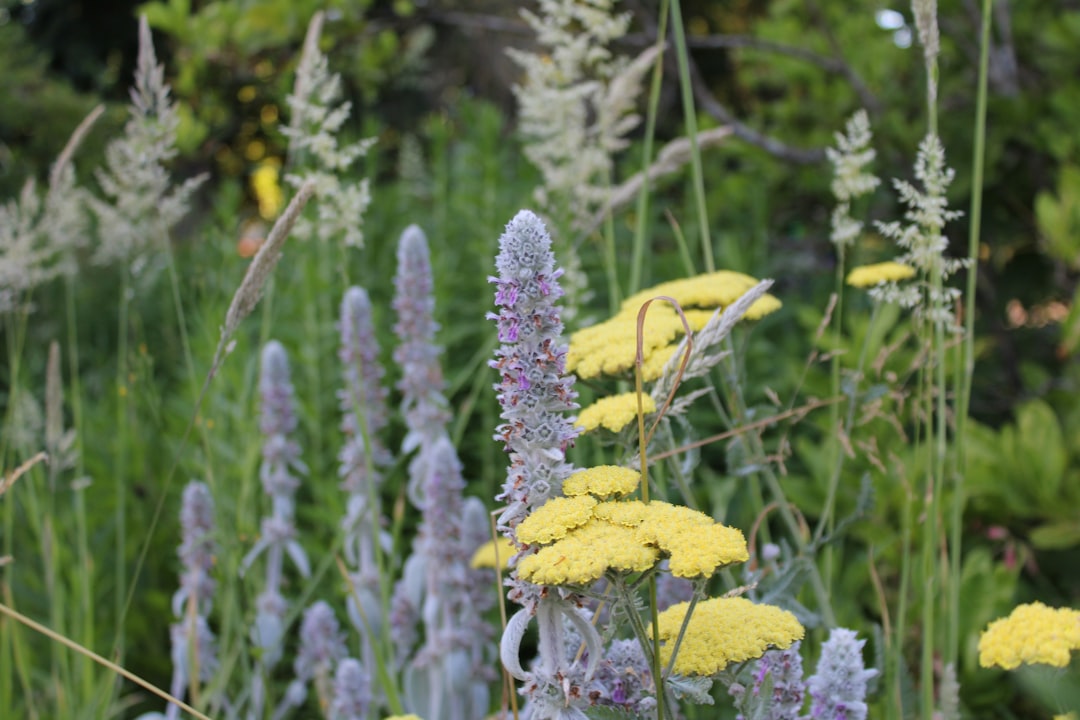
In addition to their ecological advantages, native plants can also enhance the aesthetic appeal of your garden. With a wide variety of colors, textures, and forms, native plants can create stunning visual displays that change with the seasons. For instance, the vibrant blooms of coneflowers in the summer or the striking foliage of oak trees in the fall can add dynamic beauty to your landscape. By incorporating these plants into your garden design, you can create a space that is not only visually appealing but also harmonious with the surrounding environment.
As we move into the next year, one emerging trend is the integration of technology in garden design, particularly in the selection and maintenance of native plants. Smart gardening tools and apps are becoming increasingly popular, allowing homeowners to monitor soil conditions, moisture levels, and plant health. This technology can help you make informed decisions about your garden, ensuring that your native plants thrive while minimizing resource use.
Another trend to watch is the growing interest in edible native plants. As more people seek to grow their own food, the incorporation of native species that are also edible can provide a dual benefit. Plants such as serviceberries and elderberries not only support local wildlife but also offer delicious fruits for your family to enjoy. This trend aligns with the broader movement towards sustainable living and self-sufficiency, making it an appealing option for many gardeners.
In conclusion, the benefits of native plants in garden design are numerous and compelling. From their low maintenance requirements and ecological contributions to their aesthetic appeal and compatibility with emerging gardening trends, native plants offer a practical and sustainable solution for homeowners. As we look forward to the upcoming year, embracing these plants in your landscape design can lead to a more vibrant, resilient, and environmentally friendly garden. At EcoBloom Garden, we specialize in planting and maintenance, garden design and planning, and landscape installation, ensuring that your garden not only meets your needs but also contributes positively to the environment. Let us help you create a beautiful garden that reflects your values and enhances your outdoor space.